 Loam & Leaf
Prepare tender indoor starts for direct sun, wind, and outdoor temperature swings. Acclimate plants gradually across seven days.

- Gradual exposure thickens plant stem walls.
- Direct noon sun scorches tender indoor leaves.
- Withholding water slightly slows shoot growth.
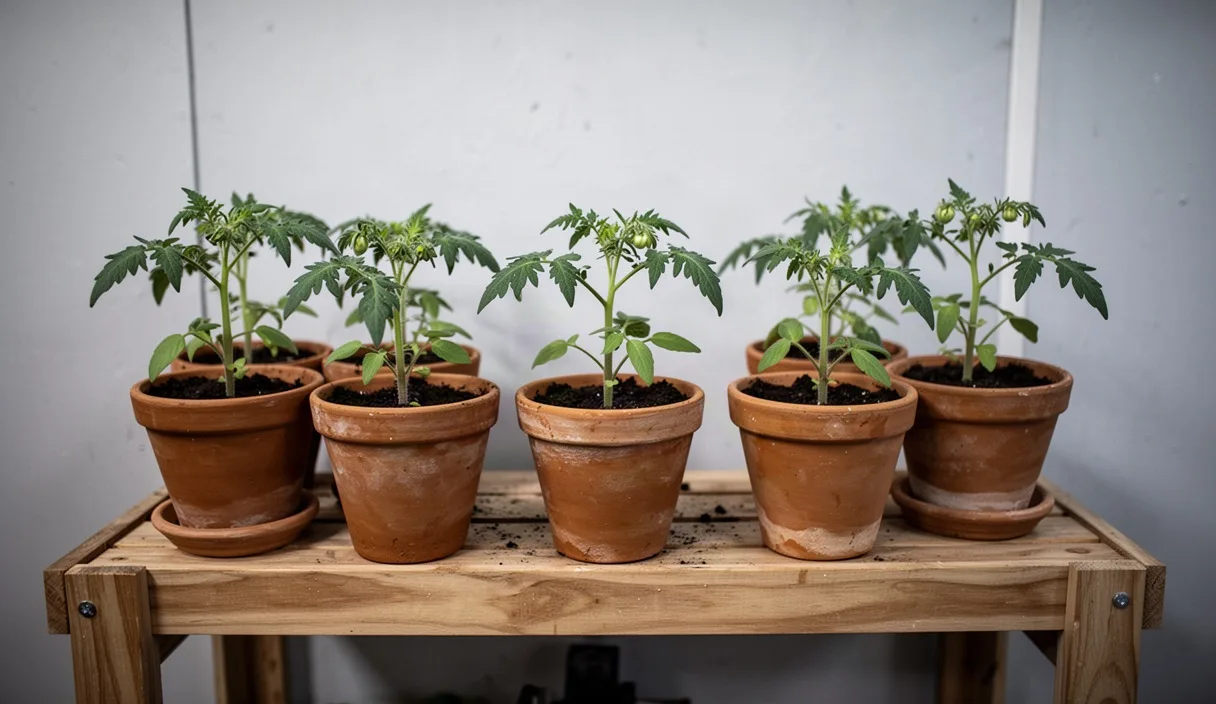
Seedlings raised indoors grow in still air. The light from fluorescent tubes or window glass lacks intensity. Temperatures remain constant day and night. The stems stay soft, and the leaves develop thin outer cuticle layers.
Outdoor soil demands thicker tissue and steady roots. Hardening off transitions these young plants to outdoor conditions. The process takes between seven and ten days. A slow shift prevents stalled growth, leaf scorch, and stem breakage.
Selecting sheltered acclimation spots
The first outdoor location requires protection on three sides. A covered porch provides a reliable overhead roof. An unheated garage with an open door also works well. The goal is outdoor air temperature without overhead sun or falling rain.
Brick walls and stone foundations store heat during daylight. Placing trays against a south-facing exterior wall creates a warm pocket. Cold concrete patios, however, draw heat out of plastic seedling trays. Set the flats on wooden pallets, slatted benches, or overturned nursery crates. Air must circulate beneath the flats to maintain even soil temperatures.
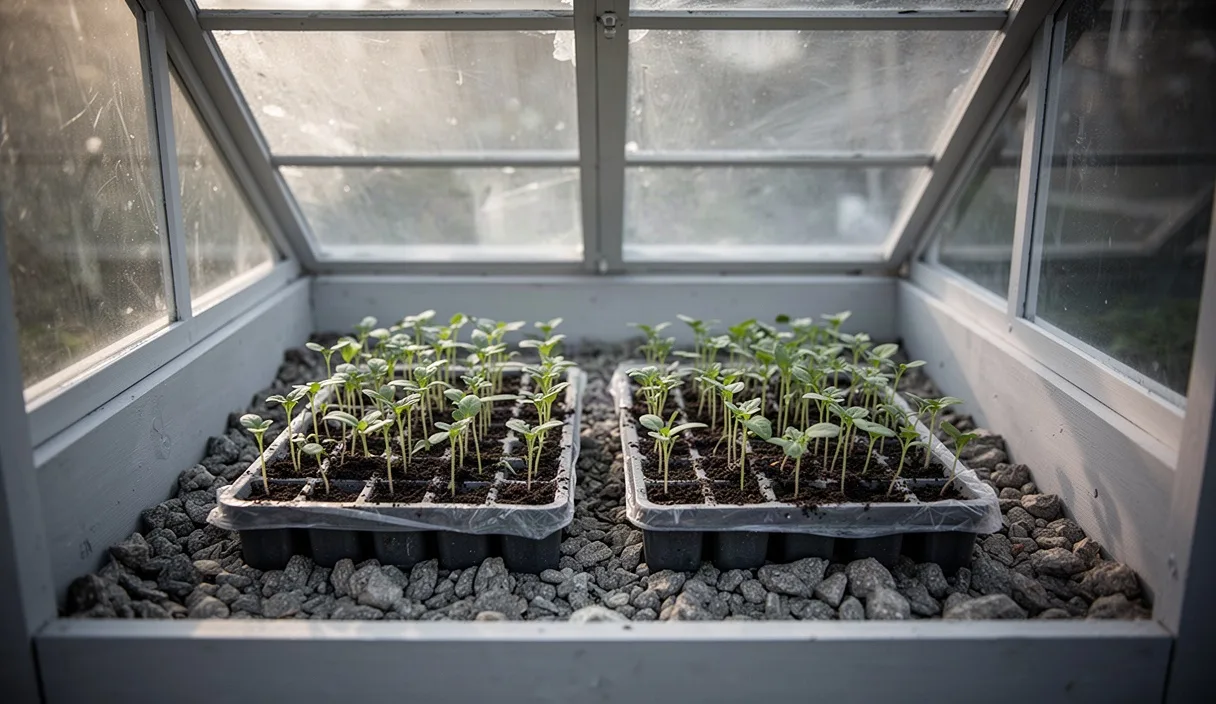
Cold frames offer precise environmental control for early spring crops. Prop the sash open by two inches during the morning. Close the glass lid before dusk to trap the residual ground warmth. Fasten the sash securely to prevent wind damage.
| Acclimation Location | Sun Protection | Wind Protection | Best For |
|---|---|---|---|
| Covered East Porch | High | High | Tender nightshades and initial days |
| Base of South Wall | Low | Moderate | Late-stage brassicas and onions |
| Dappled Tree Canopy | Moderate | Low | Mid-process leafy greens |
| Unheated Cold Frame | Adjustable | High | Early spring starts and cool weather crops |
Avoid open lawns and elevated balconies during the first three days. Unchecked gusts flip lightweight plastic cell packs. Low ground depressions collect cold air during early morning hours. Select a level, firm surface near a hose or watering can.
Managing daily outdoor hours
Begin the process when outdoor air temperatures reach fifty degrees Fahrenheit for cool-season crops. Warm-season plants require fifty-five degrees or higher. Check the local weather forecast for sudden cold snaps. Postpone the schedule if frost threatens.
Move the trays outdoors according to a progressive timeline. The duration increases gradually each day.
- Day one: Place plants in full shade for two hours, then return them indoors.
- Day two: Provide three hours of shade and quiet air outdoors.
- Day three: Allow four hours outside, including thirty minutes of gentle morning sun.
- Day four: Extend exposure to five hours with one hour of direct morning light.
- Day five: Keep trays outside for six hours, introducing filtered midday sun.
- Day six: Allow eight hours outside with direct sunlight until early afternoon.
- Day seven: Leave starts outside for ten hours from morning until dusk.
- Day eight: Keep cold-hardy varieties outside overnight if low temperatures remain above forty-two degrees.
Solanaceous crops like peppers, eggplants, and tomatoes demand a slower pace. Extend their schedule to twelve days. If leaves droop at any point, move the flats back inside immediately. Resume the schedule the following morning at the previous day's duration.
Protecting starts from midday sun
Indoor grow lights deliver only a fraction of the sun's energy spectrum. Ultraviolet rays damage unconditioned plant cells. The damage appears as silver patches, bleached foliage, or dry brown leaf margins. These marks do not heal, and damaged leaves eventually drop.
Midday light is strongest between eleven in the morning and three in the afternoon. Shield the trays from this window of exposure during the first week. Place them under the shade of an open porch or a deciduous tree that is just leafing out. Light fabric row covers also diffuse the rays.
A thirty percent shade cloth mounted on light wooden stakes creates a safe buffer. Suspend the cloth eighteen inches above the seedlings to allow air to flow through the sides. Do not lay heavy woven tarps directly onto young leaves, as the fabric can crush delicate stems.
Brassicas and alliums build protective waxes quickly. Tomatoes take longer to thicken their epidermal cells. Cucurbits, such as squash and cucumbers, have broad, fragile leaves that scald quickly. Give melons and squashes three full days of total shade before offering them any direct morning light.
Monitoring wind exposure levels
Air circulation indoors comes from small oscillating fans. Natural wind is erratic, drying, and forceful. Gentle air movement stimulates the plant to produce ethylene. Ethylene causes the stems to grow thicker and sturdier.
High winds cause rapid transpirational water loss. The roots cannot absorb water fast enough to match the moisture leaving the leaves. Wilt follows quickly, even when the cell soil remains damp. Stems can snap at the soil line if wind speeds exceed twelve miles per hour.
active vitality temporary physical screens on the windward side of your holding area. The following barriers buffer air movement effectively:
- Burlap stapled to wooden garden stakes driven into the turf.
- Plywood sheets leaning against garden workbenches.
- Bales of straw arranged in an L-shape around the flat perimeter.
- Plastic storage containers placed on their sides with the openings turned away from the wind.
Inspect the plants every thirty minutes on breezy afternoons. Look for bent central stems or leaf curl. If leaves flutter violently, the location lacks adequate shelter. Move the trays closer to a solid wall or return them indoors until the wind subsides.
Reducing watering frequency slightly
Indoor seedlings receive frequent watering to sustain rapid cellular expansion. Cells filled with high water volume stay soft and thin. Reducing moisture slows this soft growth, which encourages cell walls to toughen and store carbohydrates.
Allow the surface of the potting mix to dry between waterings. The soil color changes from dark brown to a lighter peat shade. The container should feel light in the hand when lifted. Do not allow the root zone to dry to the point of permanent plant wilt.
Water the trays during the early morning hours rather than late in the day. Morning watering allows foliage to dry before outdoor humidity rises or evening temperatures fall. Wet leaves in cool evening air invite fungal spores to germinate on soft stems.
Stop applying high-nitrogen liquid fertilizers seven days before the hardening off period begins. Nitrogen forces rapid, succulent leaf growth, which remains sensitive to cold and wind. If a feeding is necessary, apply a diluted kelp meal solution. Kelp provides potassium, which supports cellular salt balance during temperature swings.
Transplanting on overcast days
Moving a plant into the open garden bed creates stress on the root system. Fine feeder roots break as the root ball leaves the plastic cell. Direct sunlight on bare roots during planting dries them out in minutes.
Choose a calm, cloud-covered day for the final transplant. Low barometric pressure and high cloud cover reduce the rate of leaf transpiration. The root system settles into the native soil without competing against the water demand caused by clear sky heat.
If clear weather persists, plant in the late afternoon or early evening. The seedlings then have twelve hours of cool, dark conditions to recover before the sun rises. Water the seedlings thoroughly in their cell packs one hour before transplanting them into the ground.
Dig holes slightly wider than the root container. Set the plant into the hole, gently firm the surrounding native soil, and water the root zone immediately with a slow stream. This settles the earth and removes air pockets without compacting the soil structure.
Common mistakes
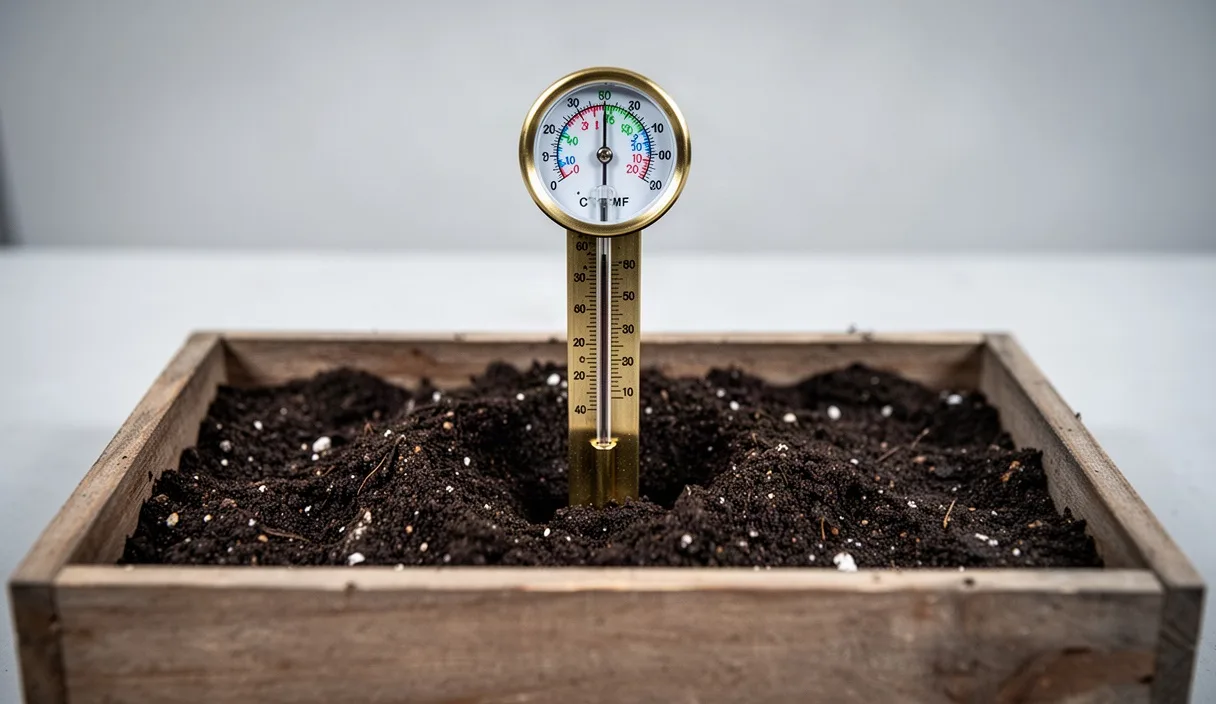
A common error is rushing the process due to an unseasonably warm afternoon. One seventy-degree day in early spring does not mean the soil is warm or that frost is over. Sudden temperature swings harm seedlings that move outdoors too quickly.
Leaving seedlings outdoors during an unexpected downpour washes potting soil out of small cells. Raindrops also flatten young stems against the wet compost. Keep trays under a solid roof if heavy rain appears in the forecast.
Another error is bottom-watering flats outdoors on windy days and leaving them sitting in deep water. Roots submerged in cold water rot quickly when outdoor soil temperatures are below sixty degrees. Drain excess water from the collection trays thirty minutes after bottom soaking.
Consult a local agricultural extension office if unseasonal weather lasts longer than ten days. Extension agents track regional soil temperatures and last-frost dates. They offer specific planting dates for your county.
Next steps
Begin by checking the ten-day weather forecast for your area. Identify the projected last frost date for your specific growing zone. Count backward ten days from that target date to find your start time.
Inspect your seedlings today. Ensure each plant shows at least two sets of true leaves before moving it outdoors. Cull weak, diseased, or spindly specimens that will struggle in outdoor conditions.
Gather your hardening equipment this afternoon. Locate your shade cloth, wind barriers, and sturdy nursery carrying flats. Clear your chosen outdoor staging area of debris so your trays sit level and secure from their first morning outside.
This journal provides educational content only; consult your regional agricultural extension office for local planting dates and soil pathology. Disclaimer